

 By
By Disclaimer: This content is for informational purposes only and does not replace professional veterinary advice. If your dog’s paw licking is persistent, worsening, or causing visible skin damage, consult a licensed veterinarian.
Table of Contents
It started as something you barely noticed. Now it’s all you hear at night.
That wet, repetitive sound. Your dog licking the same paw. Again. And again.
You told yourself it was probably nothing. Then you looked closer and noticed the fur is stained reddish-brown. The skin underneath looks raw. Your dog flinches when you touch it.
Now you’re worried and rightly so.
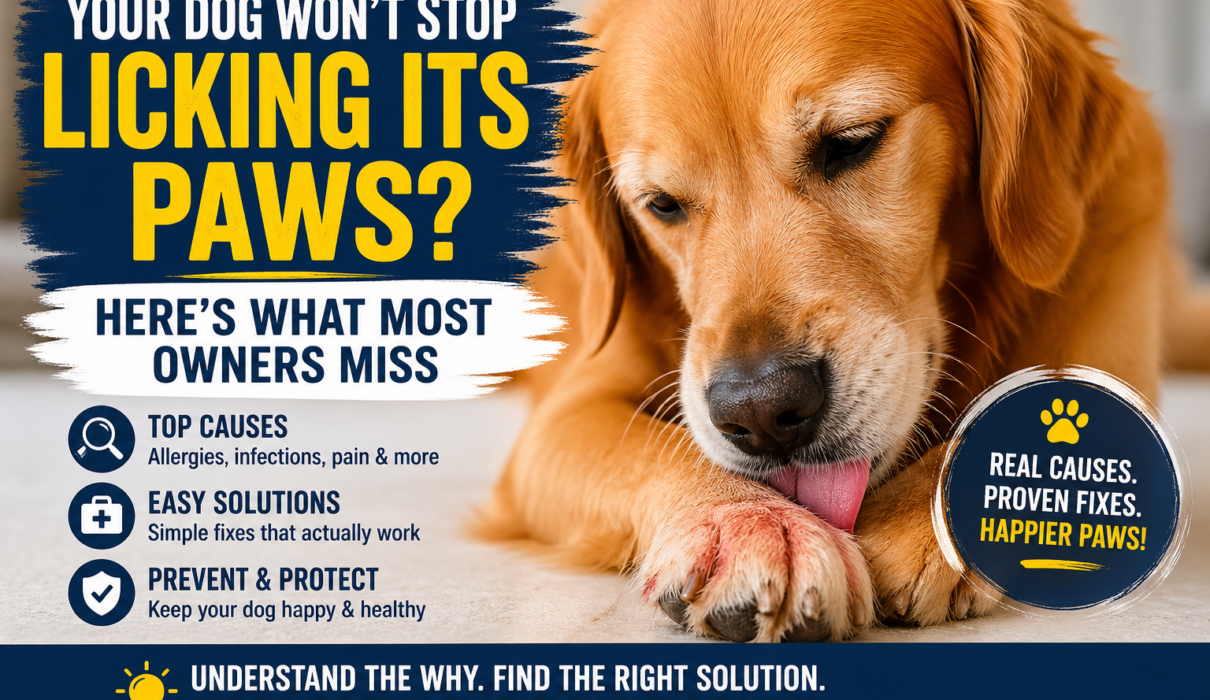
Dogs lick their paws for a reason. Always. It’s not a random habit, and it doesn’t fix itself by being ignored. The good news: once you identify the actual cause, most cases are very manageable at home, with your vet, or both.
Here’s everything you need to know
Quick answer: why do dogs lick their paws?
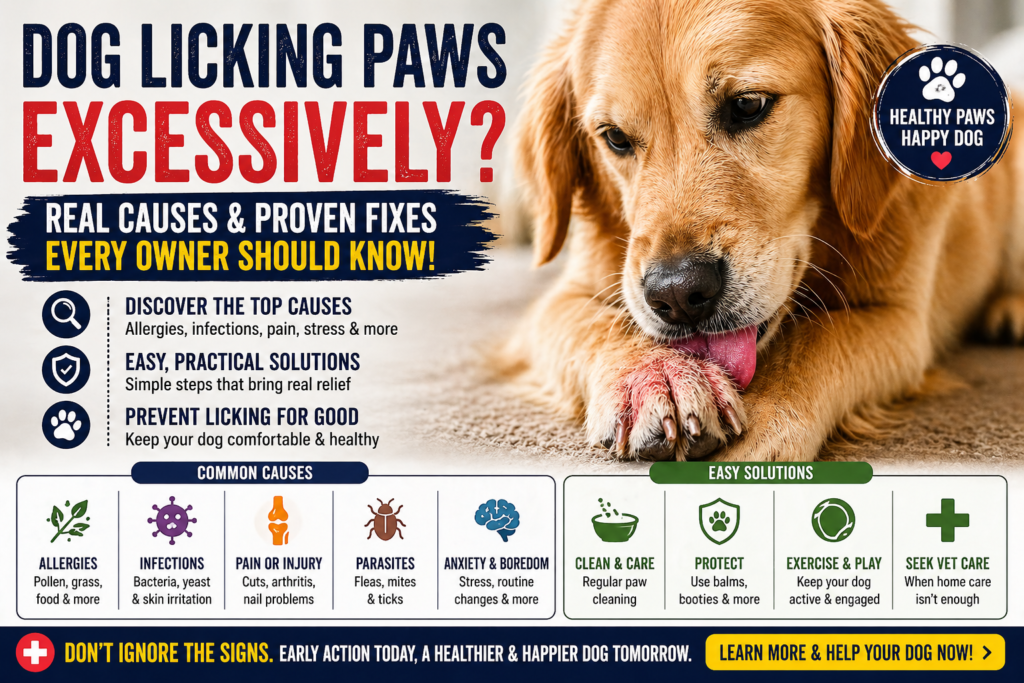
The most common causes are allergies (environmental or food-related), skin infections, pain or injury to the paw, parasites like fleas or mites, and anxiety or boredom. A dog licking one paw usually points to a local issue like a cut or thorn. A dog licking all four paws points more toward allergies or a systemic cause.
What counts as excessive paw licking?
Dogs groom themselves, some paw licking is completely normal. The line is crossed when:
- Licking is constant, especially at night or during rest
- The fur between or around the toes has turned reddish-brown from saliva staining
- Skin looks irritated, swollen, or broken
- Your dog chews or gnaws at their paws rather than just licking
- There’s a noticeable smell coming from the paw area
- Your dog pulls away or whimpers when you touch their feet
Any of those signs mean the licking has moved from grooming into a symptom.
Common causes of dog paw licking
1. Allergies, the most common reason by far
Allergies are behind the majority of chronic paw licking cases in dogs. And they don’t just show up as sneezing. In many dogs, the primary symptom of an allergic reaction is intense itching concentrated in the paws, groin, armpits, and ears.
Environmental allergens include grass, pollen, mold spores, and dust mites. These are seasonal at first, then often become year-round as sensitivity increases. Dogs with grass allergies will typically start licking immediately after walks.
Food allergies are less common but worth considering if paw licking is year-round and accompanied by recurring ear infections or skin problems. The most frequent culprits are beef, chicken, dairy, and wheat, though any protein can trigger a reaction.
Contact irritants include lawn chemicals, road salt, floor cleaning products, and treated grass. The paw pads absorb these directly. Dogs that lick specifically after outdoor time often have contact irritation rather than a true allergy.
According to the American Kennel Club, paw licking from allergies is one of the most commonly reported skin conditions in dogs. (Source: AKC Skin Conditions in Dogs)
2. Skin infections
Here’s the cycle that makes paw licking so hard to stop once it starts: licking damages the skin, damaged skin lets bacteria or yeast in, the infection causes more itching, which causes more licking.
Yeast infections (Malassezia) are particularly common between the toes. Signs include a musty or corn-chip-like smell, darkened skin, and a greasy or sticky texture to the fur around the paw. Bacterial infections look more like redness, swelling, and sometimes visible discharge or crusting.
Once an infection takes hold, cleaning and home remedies alone usually aren’t enough. This is a vet situation.
3. Pain, injury, or something stuck in the paw
If your dog is licking one specific paw rather than all four, check for a physical cause first.
Common culprits: a small cut on the pad, a splinter or thorn lodged between the toes, a cracked nail, a broken or torn nail, or a grass seed embedded in the skin. Grass seeds are a surprisingly frequent issue, they’re barbed, work their way into the skin, and cause intense localised irritation.
Joint pain and arthritis can also cause paw licking. A dog with an aching wrist or elbow joint sometimes licks that paw compulsively, seemingly to soothe the discomfort. If your dog is older and the licking is focused on a single front paw, joint pain is worth ruling out.
4. Parasites
Fleas, mites, and occasionally ticks can trigger intense itching that concentrates around the paws and lower legs. Mange (demodex or sarcoptic mites) in particular often starts around the feet and face.
The frustrating thing about parasite-related licking is that you often won’t see the parasites themselves. The licking and scratching are the main visible signs. Regular parasite prevention is genuinely easier and cheaper than treating an established infestation.
5. Anxiety and boredom
A dog licking paws obsessively without any physical cause is often a dog that’s anxious, under-stimulated, or both. Paw licking becomes a self-soothing behaviour — the repetitive action releases endorphins and temporarily reduces stress.
Separation anxiety, routine disruption, insufficient exercise, and lack of mental stimulation all contribute. You’ll often notice this type of licking happens most when the house is quiet, in the evening, or whenever the dog is left alone.
The challenge: once this becomes a habit, the licking can continue even after the anxiety is addressed. The physical act itself becomes compulsive. That’s when it needs more structured intervention.
When should you be concerned?
Go to the vet rather than trying home remedies if:
- The licking has been going on for more than a week without improvement
- Skin between the toes looks red, swollen, or broken
- There’s a smell coming from the paw area (likely yeast or bacterial infection)
- Your dog is limping or sensitive when walking
- You can see a wound, sore, or discharge
- The fur has turned dark or the skin looks thickened (chronic licking changes the skin texture over time)
- Your dog wakes themselves up at night to lick
One-paw licking that started suddenly? Check for something stuck in the paw before anything else. Part the fur carefully and check between every toe and around the nail beds with good light.
What you can do at home
Step 1: Clean paws after every outdoor walk
Rinse paws with plain water after every walk, especially during high-pollen seasons or after walks on treated grass. Dry thoroughly between the toes, moisture trapped there encourages yeast growth. This single habit reduces allergen-related licking significantly for many dogs.
Step 2: Check the paw properly
Sit with your dog in good lighting and examine each paw. Separate the toes. Check the pads for cuts. Look for anything embedded in the skin. Check nails for cracks or breaks. For small splinters, clean tweezers work well. For anything deeply embedded or if the area is already infected, let your vet handle it.
Step 3: For mild irritation, try a diluted antiseptic soak
A diluted povidone-iodine solution (tea colour in water, not undiluted) used as a brief paw soak can help with mild surface irritation and mild yeast. Soak for 30 seconds, pat dry. This is a supportive measure, it won’t resolve an established infection.
Step 4: Address the root cause
If it’s allergies: a paw wipe or rinse after outdoor time, dietary changes if food allergy is suspected, or an antihistamine recommended by your vet. If it’s boredom: structured exercise, puzzle feeders, and training sessions. If it’s anxiety: see the section below.
Step 5: Stop the licking cycle physically if skin is damaged
A recovery cone (e-collar) or a soft paw wrap interrupts the licking long enough for skin to begin healing. It feels unkind, but a dog actively licking an infected wound is making the infection worse every hour. Even 24–48 hours of interrupted licking makes a noticeable difference.
Home remedies for dog paw licking: what works and what doesn’t
Worth trying:
- Plain water paw rinse after walks
- Thorough drying between toes
- Paw balm on cracked or dry pads (natural, dog-safe formulas only)
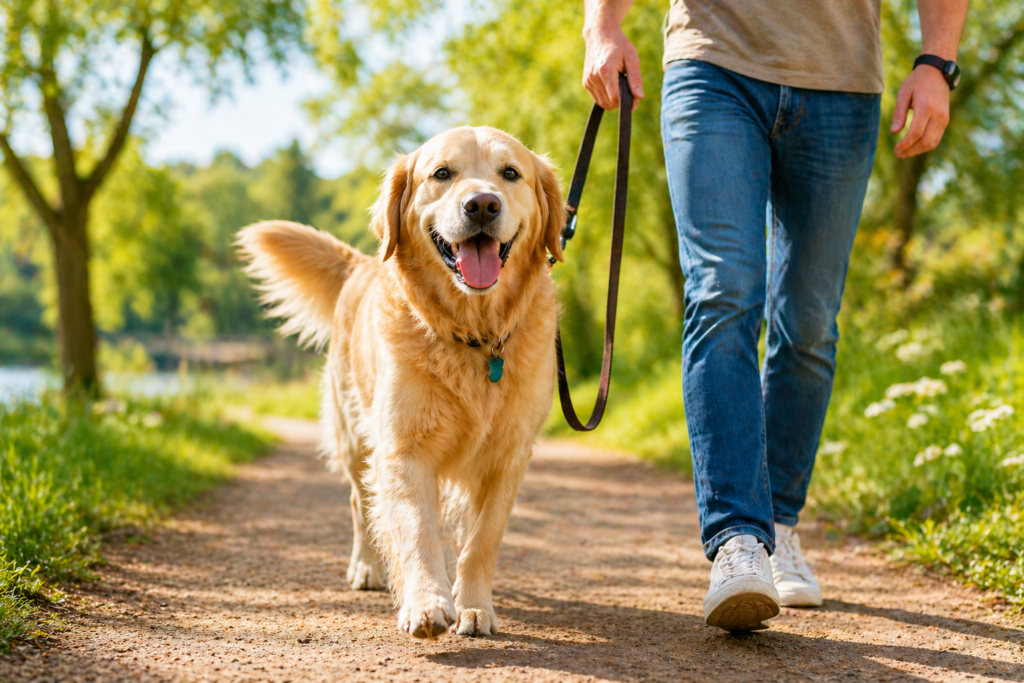
- Increased exercise and mental enrichment if boredom is a suspected factor
- Removing access to lawn chemicals or changing floor cleaning products
Won’t fix the underlying problem:
- Apple cider vinegar, this gets recommended frequently online, but it stings on broken skin and has no meaningful antibacterial effect on an established infection
- Coconut oil, soothing on dry pads but won’t resolve allergies, yeast, or bacteria
- Bandaging without addressing the cause, the dog removes it, then licks more
The honest answer on home remedies: they help with mild, early-stage irritation. Once there’s an infection or the licking has been going on for more than a week, you need a vet visit.
What you should avoid
- Don’t use human antiseptics like hydrogen peroxide or undiluted iodine on paws, they damage tissue and delay healing
- Don’t use hydrocortisone cream repeatedly without vet guidance, short-term relief can mask a worsening infection
- Don’t ignore one-paw licking, especially if your dog is limping alongside it
- Don’t assume it’s “just anxiety” without ruling out physical causes first
- Don’t rely on an e-collar alone without addressing the underlying cause, the cone stops the licking, but not what’s driving it
When to visit a veterinarian
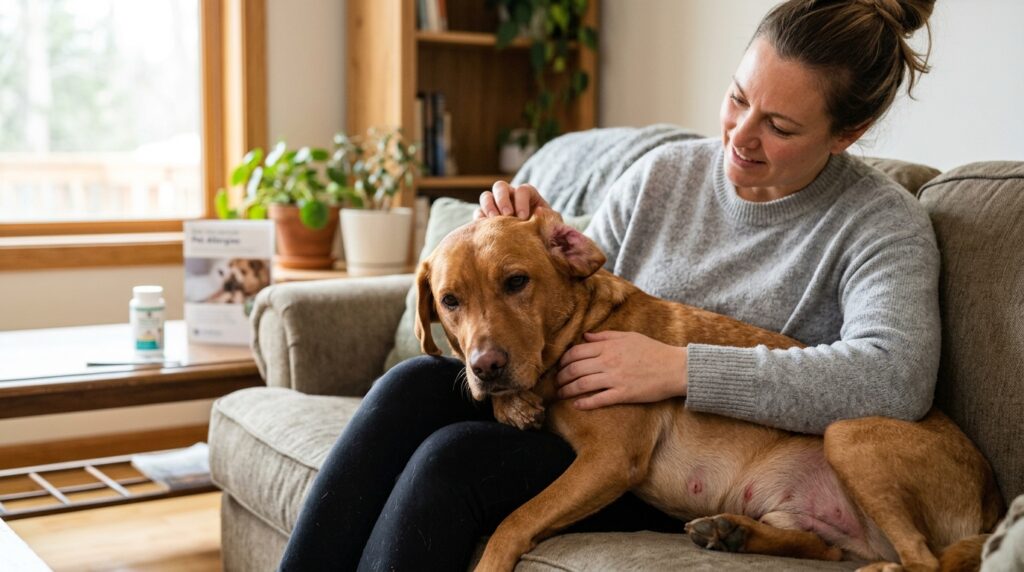
Book a vet appointment if:
- You’ve tried cleaning and allergen removal for 5–7 days with no improvement
- There are visible signs of infection: smell, discharge, swollen skin
- Your dog is licking the same spot so intensely they’ve created a sore
- Licking wakes them (and you) up at night consistently
- You suspect a food allergy, this requires an elimination diet, which is much easier to do with vet guidance
- Your dog is a breed prone to skin issues (Bulldogs, Retrievers, Cocker Spaniels, West Highland Terriers), these dogs often need prescription treatment rather than home care
Your vet can identify whether it’s allergies, infection, parasites, or a structural issue, and prescribe targeted treatment: antifungals, antibiotics, antihistamines, immunotherapy, or pain management depending on the cause.
Real-life scenario
A Golden Retriever started licking her front left paw intermittently in spring. Her owner rinsed the paw after walks and it seemed to help for a while. By summer, the licking had become constant, the fur was stained dark reddish-brown, and the skin between her toes looked inflamed.
The vet diagnosed a yeast infection that had developed secondary to environmental allergies, the spring pollen had triggered the initial itching, and the licking had introduced enough moisture and trauma to let a yeast infection establish.
Treatment included a short course of antifungal medication, a medicated shampoo used twice weekly on the feet, a daily antihistamine through peak allergy season, and continued post-walk paw rinsing.
Within 3 weeks, the licking had reduced to normal grooming levels. The owner now starts the antihistamine regime 2 weeks before pollen season every year.
The delay in treatment turned a manageable allergy into a secondary infection. Earlier intervention would have been faster and cheaper.
Frequently asked questions
Why does my dog lick paws at night specifically? Nighttime licking often points to anxiety or boredom, the house is quieter, the dog has less stimulation, and the repetitive licking becomes soothing. It can also be allergy-related, as histamine levels tend to rise in the evening. If it’s consistently happening at night, both causes are worth investigating.
Why do dogs lick their feet after walks? Usually allergens picked up outside, grass, pollen, or contact irritants. A paw rinse with plain water immediately after walks reduces this significantly for most dogs with environmental sensitivities.
My dog keeps licking one paw. Is that different from licking all four? Yes. One paw usually means a local physical cause, something stuck in the skin, a cut, a broken nail, or a joint issue affecting that limb. All four paws point more toward allergies, a systemic cause, or anxiety. The pattern tells you where to start looking.
Why do dogs lick? Is all licking a problem? No. Some licking is normal grooming. The concern is frequency, intensity, and outcome, if the licking is constant, causes skin changes, or your dog seems distressed by the urge to lick, it’s moved beyond normal grooming.
How do I stop my dog from licking paws as a home remedy? For mild cases: clean and dry paws after walks, increase exercise and mental stimulation, and use an e-collar temporarily if skin is already irritated. For anything beyond mild, those measures support treatment but won’t replace it.
Read more on thepetblueprint.com
- [Dog anxiety: why your dog is scared and what actually helps — thepetblueprint.com]
- [Dog food allergies: how to identify triggers and cut them out safely — thepetblueprint.com]
- [What’s really inside your dog’s food: a plain-English guide to ingredients — thepetblueprint.com]
The short version
Dog licking paws constantly is a symptom, not a habit. The four most common causes are allergies, skin infections, physical injury, and anxiety and the treatment is completely different for each one.
Rinse paws after walks, check for something stuck in the paw, and monitor for a week. If there’s no improvement, or if the skin already looks damaged, see your vet. The longer you wait on an infected paw, the harder and more expensive the fix.
Sources:
- American Kennel Club — akc.org
- ASPCA Animal Poison Control and Pet Care — aspca.org
- Merck Veterinary Manual — merckvetmanual.com
- American Veterinary Medical Association (AVMA) — avma.org




2 Comments