

 By
By Written by The Pet Blueprint, Researched using guidelines from AAFCO, AVMA, and ASPCA
⚠️ Emergency notice: If your dog has eaten something toxic, call the ASPCA Animal Poison Control Center at (888) 426-4435 or your nearest emergency vet before attempting to induce vomiting at home. This guide is educational. Always get professional guidance first when possible.
Disclaimer: This content is for informational purposes only and does not replace professional veterinary advice. Inducing vomiting incorrectly can cause serious harm. Always consult a licensed veterinarian or poison control before acting.
Table of Contents
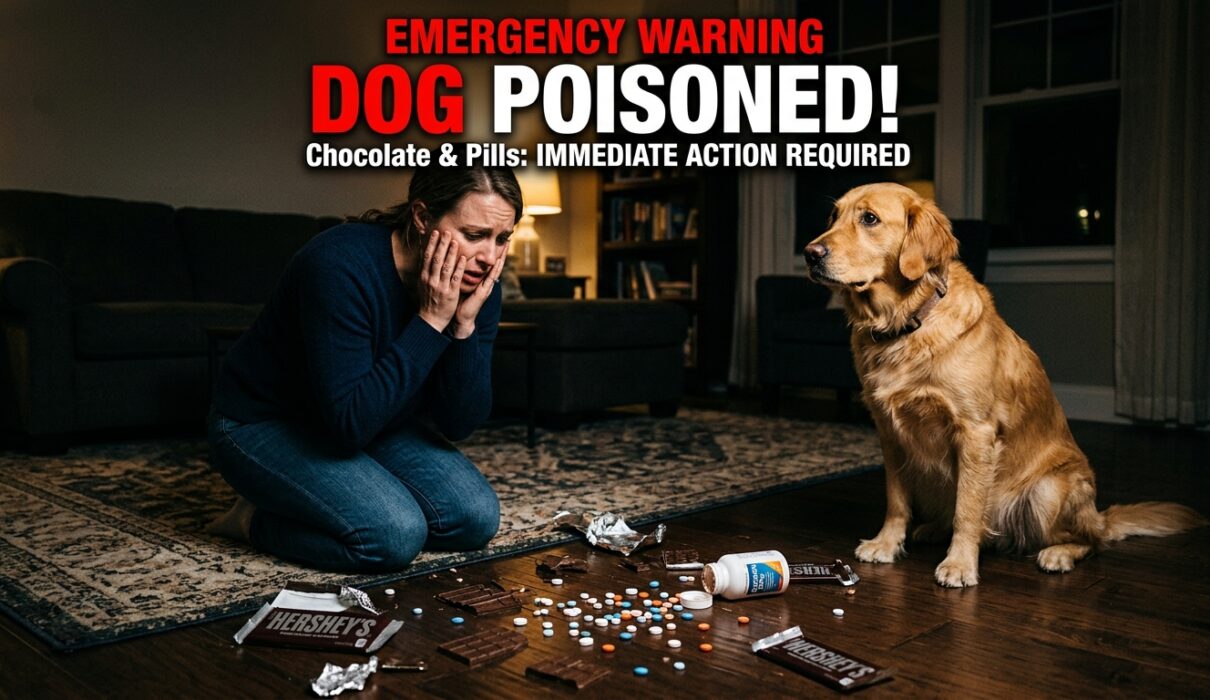
Your dog just ate something they shouldn’t have. You have minutes.
You walked into the room and found the evidence. Chewed packaging. An empty bottle. Something that definitely should not have been eaten.
Your first instinct is to do something and fast. That’s correct. But what you do in the next 5 minutes matters enormously, because inducing vomiting the wrong way can cause more damage than the original ingestion.
This guide gives you the exact steps, the critical exceptions, and the real dosing information, so if you’re ever in this situation, you act right, not just fast.
Quick answer: should you induce vomiting in your dog?
Maybe, but only after speaking to a vet or poison control first.
Inducing vomiting is appropriate for some ingested substances within a specific time window. For others, it’s genuinely dangerous and can cause burns, aspiration, or internal damage. The substance, the amount, and how long ago it happened all determine the right call.
The ASPCA Animal Poison Control Center (888-426-4435) operates 24 hours and can tell you within 2 minutes whether you should proceed. Call them first if you have any uncertainty. (Source: ASPCA Animal Poison Control)
Step 1: assess the situation before you do anything
Four things determine whether inducing vomiting is safe and appropriate:
What did they eat? Food, medication, chemical, or a sharp object, the answer changes everything. Some substances are more dangerous coming back up than they were going down.
How much? A single grape versus a full bowl of grapes. One chocolate chip versus a dark chocolate bar. Quantity affects both toxicity risk and urgency.
When did it happen? The window for effective vomiting is roughly 2 hours from ingestion. After that, the substance has usually moved into the small intestine and bringing it back up accomplishes nothing, except causing unnecessary distress and risk.
What is your dog’s current condition? If your dog is already showing symptoms, seizures, collapse, difficulty breathing, severe sedation, do not attempt to induce vomiting. Get to an emergency vet immediately.
Step 2: call poison control or your vet before you act
This step is not optional. It takes 2 minutes and can prevent you from making a dangerous situation worse.
ASPCA Animal Poison Control: (888) 426-4435 (24/7, consultation fee applies) Pet Poison Helpline: (855) 764-7661 (24/7, consultation fee applies) Your vet or nearest emergency animal hospital
Tell them: what was ingested, the approximate amount, your dog’s weight and breed, and when it happened. They will tell you whether to induce vomiting, go to the vet directly, or monitor at home.
If you’re reading this as an active emergency and can’t reach anyone: proceed to Step 3, but only if none of the contraindications in Step 4 apply.
Step 3: how to make your dog vomit safely (hydrogen peroxide method)
The only home method recommended by veterinarians is 3% hydrogen peroxide given orally. This is the standard 3% solution sold at pharmacies, not the higher concentration cosmetic or industrial versions.
Dosage: 1 ml of 3% hydrogen peroxide per pound of body weight. Maximum dose: 45 ml (roughly 3 tablespoons), regardless of the dog’s size. How to give it: Use an oral syringe or turkey baster. Aim toward the back of the mouth and dispense slowly. A small amount of food given first (a piece of bread or a small meal) can help trigger vomiting faster.
What to expect: Vomiting usually starts within 10–15 minutes. Your dog may seem uncomfortable, pace, or drool heavily before it begins.
If nothing happens after 15 minutes: You can repeat the dose once. Do not give a third dose. If two doses produce no vomiting, your dog needs to be seen by a vet who can use a more reliable method (apomorphine injection).
Once vomiting starts, collect a sample of the vomit if possible, your vet may want to see it.
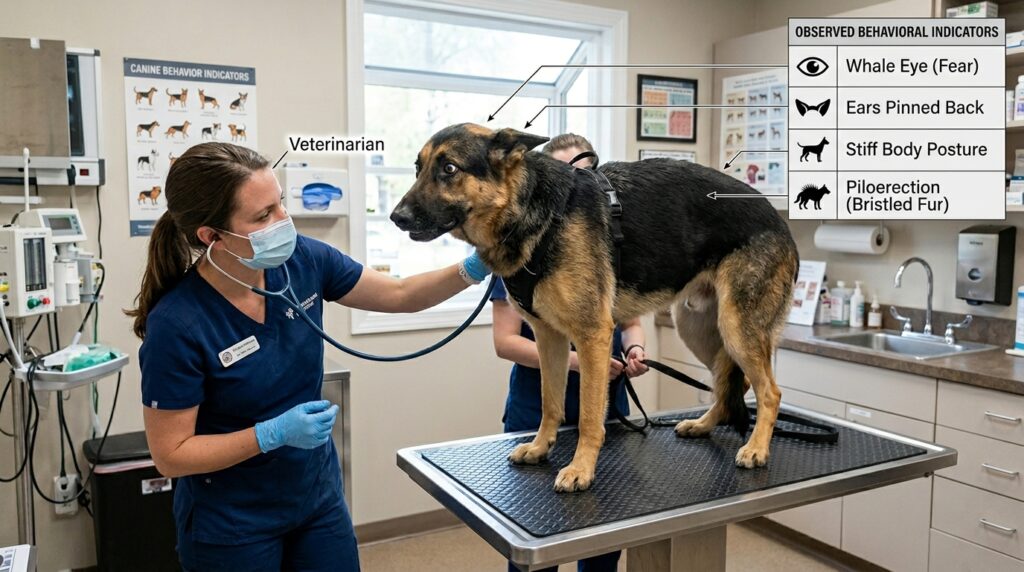
If your dog has previously shown signs of anxiety or stress, be aware that the discomfort of vomiting induction can intensify that stress significantly.
Step 4: when you should NOT induce vomiting, this is critical
This is the section most emergency guides skip or underprepare. Getting this wrong is dangerous.
Do not induce vomiting if your dog:
- Is already showing seizures, tremors, or neurological symptoms
- Is sedated, struggling to stay conscious, or collapsing
- Has a known history of megaesophagus or laryngeal paralysis (aspiration risk is extremely high)
- Is a brachycephalic breed (Bulldog, Pug, French Bulldog, Shih Tzu), these breeds have a significantly higher aspiration risk during vomiting
- Ate the substance more than 2–3 hours ago
Do not induce vomiting if your dog swallowed:
- Sharp objects (bones, metal, glass, plastic fragments), these can cause internal lacerations coming back up
- Cleaning products, bleach, or caustic household chemicals, these burn the oesophagus on the way back up, causing far more damage than the initial ingestion
- Petroleum products (motor oil, petrol, paint thinner)
- Acids or alkalis
- Antifoaming agents or products that expand
In all these cases, call poison control or go directly to an emergency vet. Do not attempt vomiting at home.
Step 5: toxic foods and substances, what’s actually dangerous
Knowing this list before an emergency happens is genuinely useful. If you have a dog that gets into food they shouldn’t, bookmark this section.
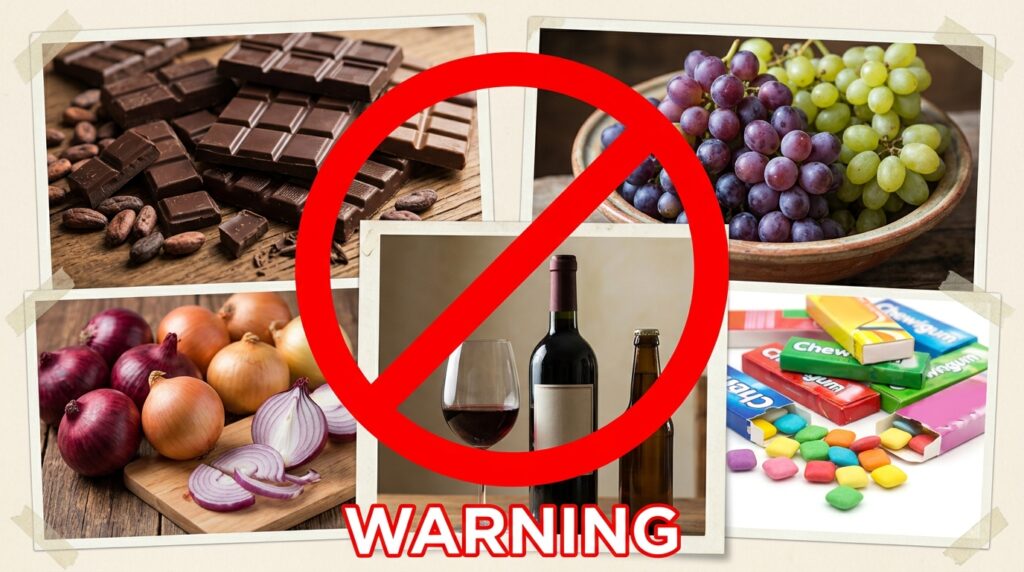
Chocolate: Contains theobromine, which dogs metabolise much slower than humans. Dark chocolate and baking chocolate are the highest risk a 20 lb dog can show serious symptoms from just 1 oz of dark chocolate. Milk chocolate requires a larger amount but is still toxic at sufficient quantities.
Xylitol: Found in sugar-free gum, some peanut butters, dental products, and an increasing number of baked goods. Even small amounts cause a rapid insulin spike and blood sugar crash. Xylitol toxicity is a genuine emergency, always check labels before giving your dog anything containing peanut butter.
Grapes and raisins: The toxic compound is still unidentified, which makes this particularly concerning, there’s no safe minimum dose established. Even a small number of grapes can trigger acute kidney failure in some dogs. Always treat grape ingestion as an emergency.
Onions and garlic: Damage red blood cells, causing haemolytic anaemia. Effects are often delayed 2–5 days after ingestion, which means owners sometimes miss the connection. Cooked or powdered forms are more concentrated and more dangerous.
Raw bread dough: Yeast produces carbon dioxide as it rises, causing the stomach to expand. Fermentation also produces ethanol (alcohol) meaning raw dough causes both bloat risk and alcohol toxicity simultaneously.
Macadamia nuts: Cause weakness, vomiting, tremors, and fever within 12 hours. The mechanism isn’t fully understood, but toxicity is well-documented. (Source: ASPCA Toxic and Non-Toxic Plants and Foods)
Ibuprofen and acetaminophen (Tylenol): Both are severely toxic to dogs. Ibuprofen causes gastrointestinal and kidney damage. Acetaminophen causes liver failure and red blood cell damage. These are some of the most common accidental poisonings in dogs. If your dog has ingested any human pain medication, call poison control immediately, do not wait for symptoms.
Cannabis: Causes sedation, low heart rate, urinary incontinence, and disorientation. Rarely fatal, but distressing for the dog and needs monitoring. Concentrated forms (edibles, oils) are more dangerous than plant material.
Step 6: what to do after inducing vomiting in your dog
Getting vomiting to happen is not the end of the process. What you do in the next 2–4 hours matters.
Do not give food for at least 2 hours after vomiting. The stomach needs to settle.
Offer small amounts of water once the vomiting has stopped, not a full bowl, just enough to keep them hydrated. Dogs that drink too much too quickly after vomiting often vomit again.
Monitor closely for 4 hours. Watch for:
- Continued or repeated vomiting (more than 3–4 times)
- Tremors or muscle weakness
- Pale or white gums (a sign of internal bleeding or shock)
- Lethargy that worsens rather than improves
- Seizures
Keep the packaging. Whatever your dog ate bring the box, bottle, or wrapper to the vet if you end up going. It helps them identify the exact compounds and concentrations involved.
Call the vet anyway. Even if vomiting was successful and your dog seems fine, a follow-up call to your vet to confirm no further monitoring is needed is always worth doing.
Why do dogs eat their vomit?
You induced vomiting, turned away for 10 seconds, and your dog went straight back to eat it. This is deeply unpleasant to witness and completely normal canine behaviour.
Dogs re-eat vomit because it smells like food (to them), because it’s an instinctive behaviour from their scavenging ancestors, and because the stomach acids haven’t fully masked the food smell. Mother dogs also re-eat vomit to feed puppies, the behaviour is ancient and hardwired.
In a poisoning scenario, do not let them re-eat it. The toxic material they just expelled is still present in the vomit. Remove them from the area or clean it up immediately.
What you should avoid
- Don’t use salt to induce vomiting, this method is dangerous and can cause sodium toxicity
- Don’t use mustard powder, dish soap, or other home remedies, none are safe or effective
- Don’t give more than 2 doses of hydrogen peroxide
- Don’t use hydrogen peroxide concentrations above 3%
- Don’t induce vomiting and then assume the problem is solved, some toxins are absorbed quickly and vomiting only reduces the total dose
- Don’t wait for symptoms before calling poison control, by the time a dog shows neurological symptoms from most toxins, significant absorption has already occurred
When to visit a veterinarian
Go to an emergency vet immediately, don’t wait, if:
- Your dog is already symptomatic (seizures, collapse, difficulty breathing)
- They swallowed a sharp object or caustic chemical
- Vomiting failed after 2 doses of hydrogen peroxide
- The ingested substance was medication (any medication)
- Your dog swallowed something and you can’t identify what it was
- Symptoms develop or worsen in the 4-hour monitoring window after vomiting
For dogs that have had a bite wound during a fight or another traumatic incident alongside ingestion, go to the vet regardless of the poisoning severity, multiple stressors compound quickly.
Don’t let the consultation fee for poison control put you off calling. It’s always less expensive than a full emergency vet visit for a condition that could have been prevented with a 2-minute phone call.
Real-life scenario
A Labrador got into a bag of raisins left on a low table, roughly 40 grams, eaten in under a minute. The owner found him in the act, googled, called ASPCA Poison Control, and was told to induce vomiting immediately given the timing and the dog’s 30 kg weight.
They gave 45 ml of 3% hydrogen peroxide (the maximum dose). The dog vomited within 12 minutes, bringing up the majority of the raisins. The owner collected a sample and called their vet, who recommended a same-day visit for blood work to monitor kidney function over the following 48 hours.
Kidney values remained normal. The dog was fine.
The owner’s vet said the outcome was good for two reasons: they acted within the 30-minute window, and they called poison control before guessing. Both mattered.
Frequently asked questions
How long after ingestion can you induce vomiting in a dog? The effective window is roughly 2 hours. After that, the substance has usually passed into the small intestine and vomiting is both less effective and more risky. Some vets extend this to 4 hours for certain slow-digesting substances, but 2 hours is the general guideline.
Can I induce vomiting in a puppy the same way? The principle is the same but puppies are more sensitive to hydrogen peroxide and have lower weight thresholds. Always calculate the dose precisely by weight and call your vet for guidance on puppies under 6 months. Puppies dehydrate faster after vomiting, so monitoring is particularly important.
My dog ate chocolate but seems fine. Should I still act? Yes. Many toxins don’t show symptoms immediately, neurological and cardiac symptoms from theobromine can take 6–12 hours to appear. “Seems fine right now” is not a reliable indicator with chocolate. Calculate the type and amount eaten, call poison control, and follow their guidance.
How do I make my dog throw up if they refuse the hydrogen peroxide? Mix it with a very small amount of food to mask the taste, or use an oral syringe to administer it toward the back of the mouth. If they actively resist or you can’t get a full dose in, call your vet, they can administer apomorphine by injection, which is significantly more reliable.
What should I do after inducing vomiting in my dog if they seem lethargic? Lethargy after vomiting can be normal (it’s exhausting and uncomfortable). But lethargy that’s worsening, combined with pale gums, weakness, or continued vomiting, is a sign that something is still wrong and needs veterinary attention. When uncertain, call your vet.
Read more on thepetblueprint.com
- If your dog’s paw licking or skin condition seems connected to something they ate, food allergy is a common cause
- Understanding dog bite levels is useful if your dog was in a fight that led to the ingestion incident
- For general dog health and what goes into their food, including ingredients to avoid, our nutrition guide covers the full picture
The short version
Act fast, but act right.
Call ASPCA Poison Control (888-426-4435) or your vet before inducing vomiting if you have any doubt about the substance. Use 3% hydrogen peroxide at 1 ml per pound, maximum 45 ml. Never use salt, mustard, or other home remedies. Never induce vomiting for caustic chemicals or sharp objects.
Monitor for 4 hours after. Go to the vet if symptoms develop, if vomiting fails, or if the substance was medication.
Knowing this before an emergency happens makes all the difference.
Sources:
- ASPCA Animal Poison Control Center — aspca.org
- Pet Poison Helpline — petpoisonhelpline.com
- Merck Veterinary Manual — merckvetmanual.com
- American Veterinary Medical Association (AVMA) — avma.org
- American Kennel Club — akc.org






3 Comments