

 By
By Written by The Pet Blueprint, Researched using guidelines from AAFCO, AVMA, and ASPCA
You might enjoy the excited kisses your dog gives you when you walk through the door- but that joy quickly fades when those kisses come with bad breath.
Many pet owners assume that unpleasant breath is just a normal part of having a dog. But is it really?
The truth is, while mild Odor can sometimes be harmless, persistent bad breath (also known as halitosis in dogs) is often a sign of an underlying health issue. In some cases, it may even point to serious medical conditions that require immediate attention.
Understanding why your dog’s breath smells bad is the first and most important step-not just to freshen it up, but to protect your dog’s overall health.
🧠 Why Does My Dog Have Bad Breath?
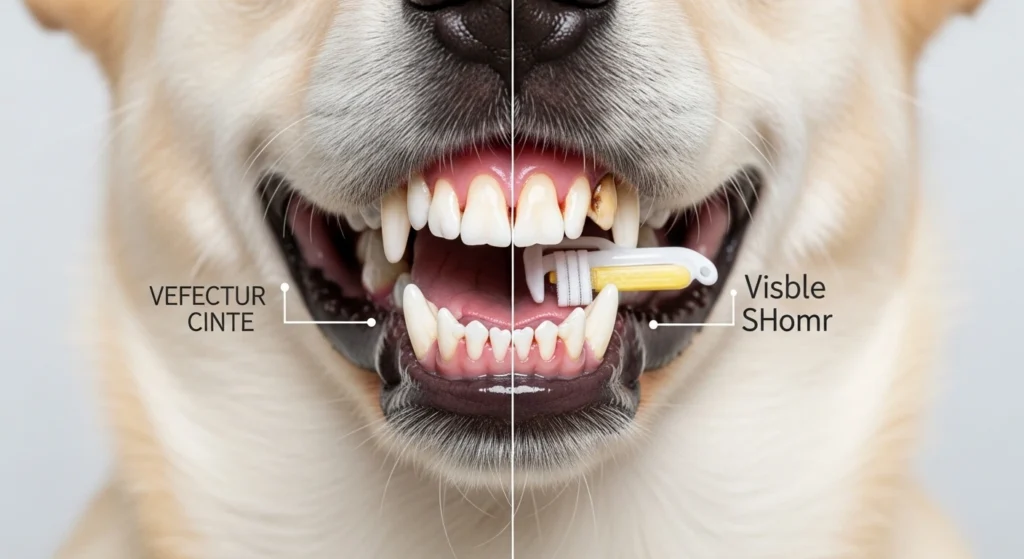
Over the past decade, veterinary care has significantly evolved. Dental hygiene in dogs is no longer limited to occasional tooth extractions. Today, it includes routine dental exams, preventive care, and regular cleanings.
Veterinarians now view bad breath as more than just an unpleasant smel-it’s a valuable diagnostic tool that can reveal a lot about your dog’s health.
Below are the most common causes of dog bad breath, ranging from simple dental issues to more serious diseases.
🦷 Dental or Gum Disease (Most Common Cause)
The leading cause of bad breath in dogs is periodontal disease, which affects a large percentage of dogs at some point in their lives.
Just like in humans, plaque forms when bacteria accumulate in the mouth. Over time, this plaque hardens into tartar, leading to inflammation of the gums, known as gingivitis. If left untreated, this condition can worsen and cause infections, tooth loss, and severe discomfort.
Dogs with crowded or misaligned teeth (malocclusions) are at a higher risk because food particles and bacteria can easily get trapped between their teeth.
As tartar builds up, debris such as hair and food can become lodged along the gumline, further contributing to foul-smelling breath.
🦴 Something Stuck in Your Dog’s Mouth
Dogs love to chew on toys, sticks, bones, and just about anything they can find. Unfortunately, this habit can sometimes lead to foreign objects getting stuck in their mouths.
Common culprits include:
- Pieces of rope or cloth caught between teeth
- Sticks or bones wedged in the roof of the mouth
- Splinters lodged under the tongue or inside the cheeks
In some cases, string-like objects may wrap around the tongue, causing pain and potentially serious complications.
If your dog suddenly develops bad breath along with symptoms like loss of appetite, drooling, or vomiting, a foreign object could be the cause.
🧪 Kidney Disease
Your dog’s kidneys play a vital role in filtering waste and toxins from the body. When the kidneys are not functioning properly, toxins such as urea begin to accumulate in the bloodstream.
This condition, known as uremia, can cause your dog’s breath to smell like ammonia or urine.
In more advanced cases, uremia can also lead to painful ulcers in the mouth, which your veterinarian may detect during an examination.
Bad breath linked to kidney disease is a serious warning sign and should never be ignored.
🧬 Liver Disease
The liver is another essential organ responsible for filtering toxins. When it isn’t working correctly, those toxins can build up and affect various parts of the body—including your dog’s breath.
Bad breath caused by liver disease is often accompanied by other symptoms such as:
- Yellowing of the eyes or skin (jaundice)
- Weight loss
- Reduced appetite
- Vomiting
If you notice these signs along with foul breath, it’s important to seek veterinary care as soon as possible.
🍬 Diabetes
Dogs with untreated or poorly managed diabetes may develop a distinct sweet or fruity odor in their breath.
This happens because the body starts breaking down fat for energy, producing chemicals called ketones. The presence of ketones in the body can lead to a condition known as diabetic ketoacidosis, which is potentially life-threatening.
In addition to unusual breath odor, dogs with diabetes may show signs such as increased thirst, frequent urination, and weight loss.
☠️ Eating Something Toxic
Dogs are naturally curious and may ingest harmful substances, including plants, chemicals, or even cigarettes.
Depending on the toxin, your dog’s breath may take on a rotten, chemical, or unusual odor. Identifying what your dog may have eaten is crucial for determining the correct treatment.
If you suspect toxin exposure, contact a veterinarian immediately.
💩 Eating Non-Food Items (Coprophagia and More)
Especially common in puppies and younger dogs, eating inappropriate items can lead to extremely unpleasant breath.
This may include:
- Eating feces (coprophagia)
- Exploring cat litter boxes
- Chewing and swallowing household objects
These behaviors not only cause bad breath but can also lead to digestive issues and vomiting if the material cannot be properly digested.
⚠️ Oral Tumors
In older dogs, persistent bad breath may be linked to oral tumors or cancers.
As these growths develop, they can become infected and begin to break down, leading to a strong, lingering odor that doesn’t improve with regular dental care.
Common types of oral tumors in dogs include melanoma and squamous cell carcinoma. Early detection is key to improving outcomes.
🥗 Dietary Deficiencies
Feeding your dog a raw or home-cooked diet without proper guidance can sometimes lead to nutritional imbalances.
These imbalances may disrupt the natural bacteria in your dog’s mouth and digestive system, potentially resulting in bad breath.
Additionally, improperly handled raw diets may increase the risk of bacterial infections such as Salmonella.
If you choose to feed a homemade diet, it’s always best to consult a veterinarian or a qualified pet nutritionist.
🛠️ How to Get Rid of Dog Bad Breath
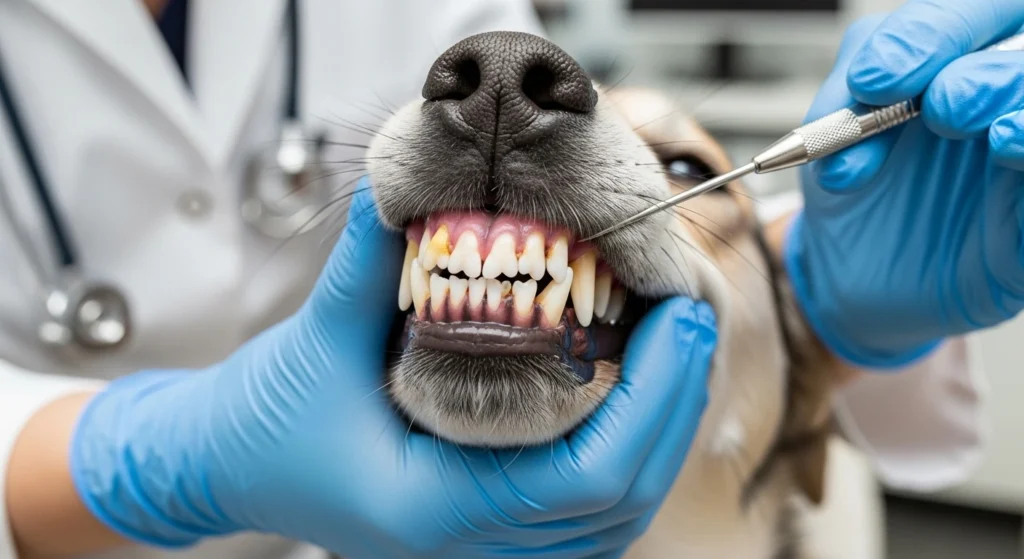
While it may be tempting to look for quick fixes, the only effective way to eliminate bad breath is to address the underlying cause.
Here are the most effective ways to improve your dog’s oral health:
✔️ Schedule Regular Dental Checkups
Routine veterinary exams allow for early detection of dental disease and other health issues. Professional cleanings may be recommended if plaque and tartar buildup become severe.
✔️ Brush Your Dog’s Teeth
Regular brushing is one of the most effective ways to prevent plaque buildup.
- Use a toothbrush and toothpaste specifically designed for dogs
- Aim to brush daily or at least several times a week
Many dog-friendly toothpastes come in flavors that make the process easier.
✔️ Use Dental Treats and Chews
Dental treats can help reduce plaque by mechanically cleaning the teeth as your dog chews. Some also contain ingredients that promote a healthier oral environment.
✔️ Try Water Additives
Water additives are an easy way to support oral hygiene. Simply add them to your dog’s water bowl to help reduce bacteria and freshen breath.
✔️ Consider Dental Diets
Specially formulated dental diets use larger kibble sizes and unique textures to help scrape away plaque during chewing.
❓ Frequently Asked Questions
Are there home remedies for dog bad breath?
Home remedies may provide temporary relief, but they do not treat the root cause. For lasting results, it’s essential to identify and address the underlying issue.
Can bad breath in dogs be cured?
Bad breath itself is not a disease but a symptom. It can be resolved if the underlying condition is treated. However, it may return if the issue-such as dental disease-comes back.
🚀 Final Thoughts
Bad breath in dogs is more than just an unpleasant experience-it’s often a signal that something isn’t right.
From common dental problems to serious health conditions like kidney disease, liver issues, or diabetes, your dog’s breath can reveal important clues about their well-being.
If your dog has persistent or unusually strong bad breath, don’t ignore it. Early detection and proper care can make a significant difference in your dog’s health and quality of life.






1 Comment