

 By
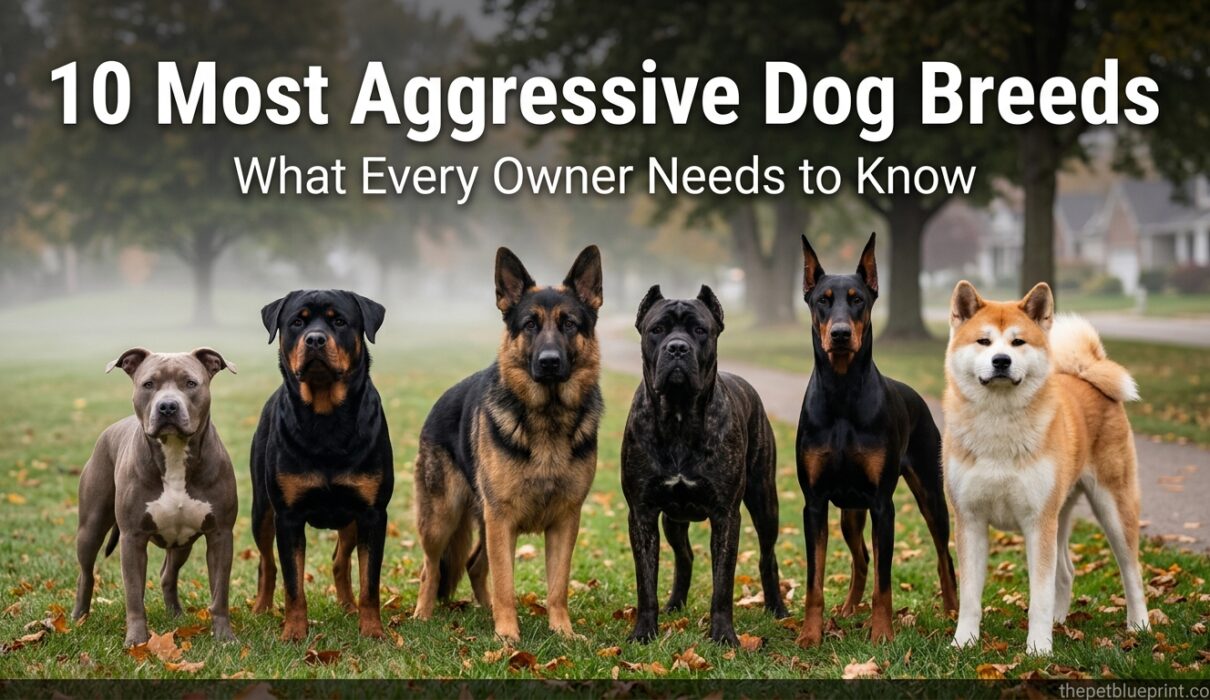
By Your neighbour’s Rottweiler is the gentlest dog on the street. Your cousin’s Chihuahua has bitten three people. If that sounds familiar, you already understand why “aggressive dog breed” is a more complicated label than most people think. Some breeds do carry stronger guarding instincts, higher prey drives, or less tolerance for strangers. That doesn’t make them automatically dangerous. It makes them dogs that need the right owner. This guide covers the 10 breeds most commonly flagged as aggressive, why that reputation exists, what it actually means for day-to-day life, and when you genuinely need professional help.
This content is for informational purposes only and does not replace professional veterinary advice. Always consult a licensed veterinarian for your pet’s health concerns.
Quick answer: what is the most aggressive dog breed?
No single breed holds that title cleanly. Bite statistics from the American Veterinary Medical Association (AVMA) consistently show that aggression is shaped more by upbringing, socialisation, and owner behaviour than by breed alone. That said, Rottweilers, German Shepherds, and Pit Bull-type dogs appear most frequently in bite reports, largely because they’re common, powerful, and often owned without proper training. Breed is a risk factor. It’s not a verdict.
Why some breeds get labelled “dangerous dogs”
Bite statistics are real, but they’re also complicated. Larger dogs cause more injury when they do bite, so they dominate the headlines. Breeds that are popular in high-crime areas or used for protection get disproportionate exposure to circumstances that trigger aggression.
The AVMA notes that the strongest predictors of dog bites are a history of aggression, lack of socialisation, chaining or tethering, and owner negligence. Breed comes further down the list. That context matters a lot when you’re reading about the “most vicious dogs on earth.”
Still, certain breeds were selectively developed for guarding, fighting, or high-drive work. Those traits don’t disappear. They just need management.
10 breeds most commonly labelled aggressive
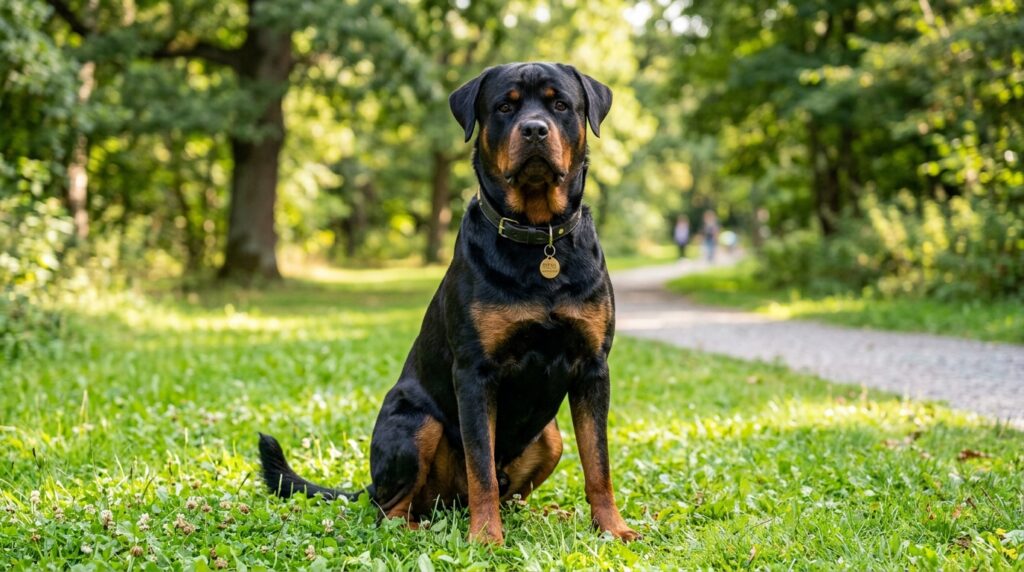
1. Rottweiler
Rottweilers are confident, territorial, and deeply loyal to their family. They were originally cattle-driving dogs in Germany, and that protective instinct is still very much present.
A well-raised Rottie with proper socialisation is calm and affectionate. An under-exercised, under-trained one with a hands-off owner is a different story. Their size (up to 130 lbs) means the consequences of a bite are serious.
The AVMA identifies Rottweilers as one of the breeds most frequently involved in fatal attacks in the US, which reflects both their strength and how often they’re kept without proper training.
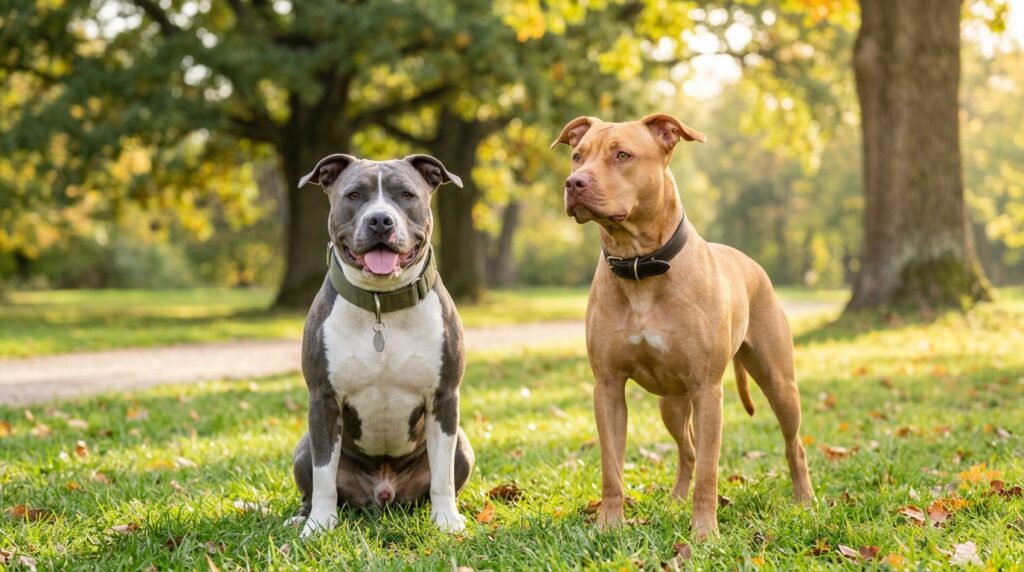
2. American Pit Bull Terrier / American Staffordshire Terrier
Pit Bull-type dogs carry the heaviest stigma of any breed, and it’s worth separating fact from myth.
These dogs were bred for dog fighting, which means many carry dog-directed aggression. Toward humans, however, well-bred and well-raised Pit Bulls tend to be affectionate and eager to please. The American Kennel Club notes that American Staffordshire Terriers were historically expected to be non-aggressive toward people, even as working dogs.
The real issue is popularity. Pit Bull-type dogs are the most common breed in US shelters, which means more of them are in homes with inexperienced owners. More dogs, more incidents. The breed isn’t uniquely vicious. The ownership pool is wide and inconsistent.
Many dogs rescued from fighting situations have been successfully rehabilitated, though this requires experienced handlers and time.
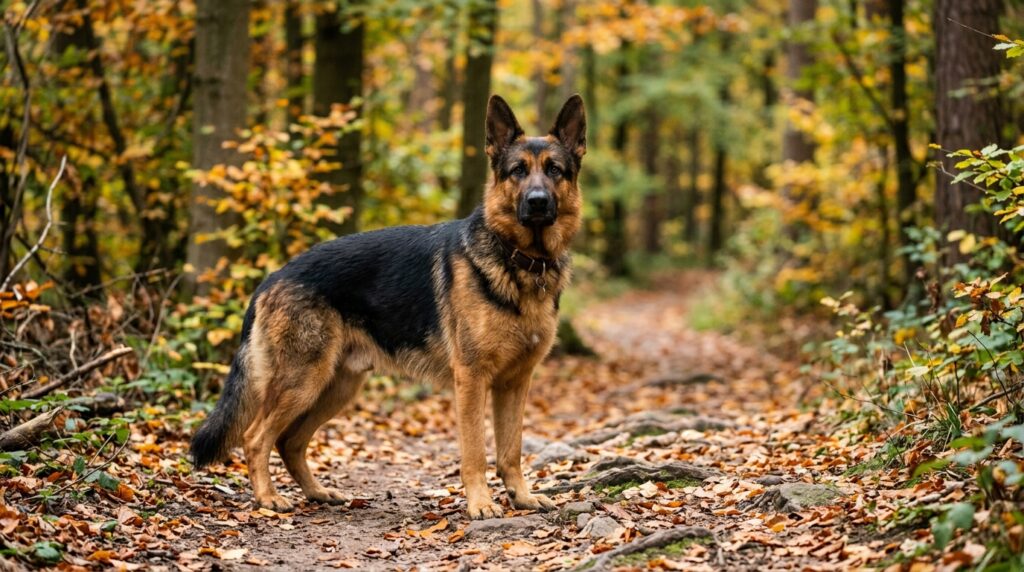
3. German Shepherd
German Shepherds are working dogs first. They’re used by police forces and militaries worldwide because they’re trainable, alert, and protective. Those qualities don’t switch off at home.
An unsocialised German Shepherd is wary of strangers and can react defensively. A bored one with too much energy and too little direction can become destructive or snappy.
With proper early socialisation and consistent training, German Shepherds are genuinely excellent family dogs. They’re one of the most popular breeds in the world for a reason. The key word is “consistent.” They don’t do well with vague rules or inconsistent boundaries.
If you’re considering a German Shepherd and have children, read our guide to the 12 best family dogs for real households first.
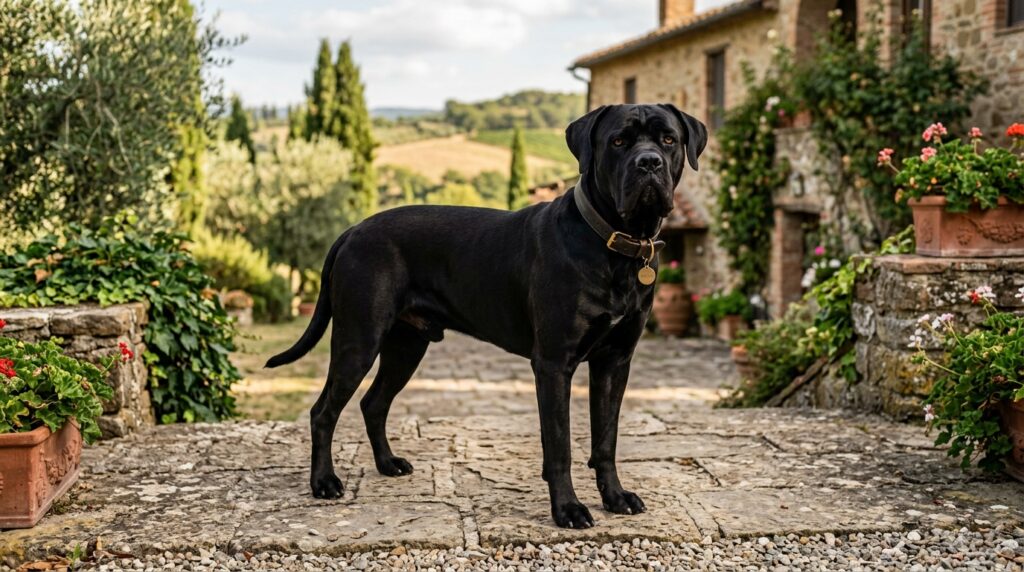
4. Cane Corso
The Cane Corso is a large Italian mastiff originally bred to hunt boar and guard estates. It weighs up to 110 lbs and has a territorial instinct that’s essentially factory-installed.
Even well-socialised Cane Corsos rarely warm up to strangers. They’re not unpredictable within the family, but they’re also not particularly forgiving of unfamiliar people or animals entering their space. Their prey drive is high, so small pets are at risk.
This is a breed for experienced owners only. If you’ve never managed a dominant, powerful dog before, the Cane Corso will expose every gap in your training knowledge.
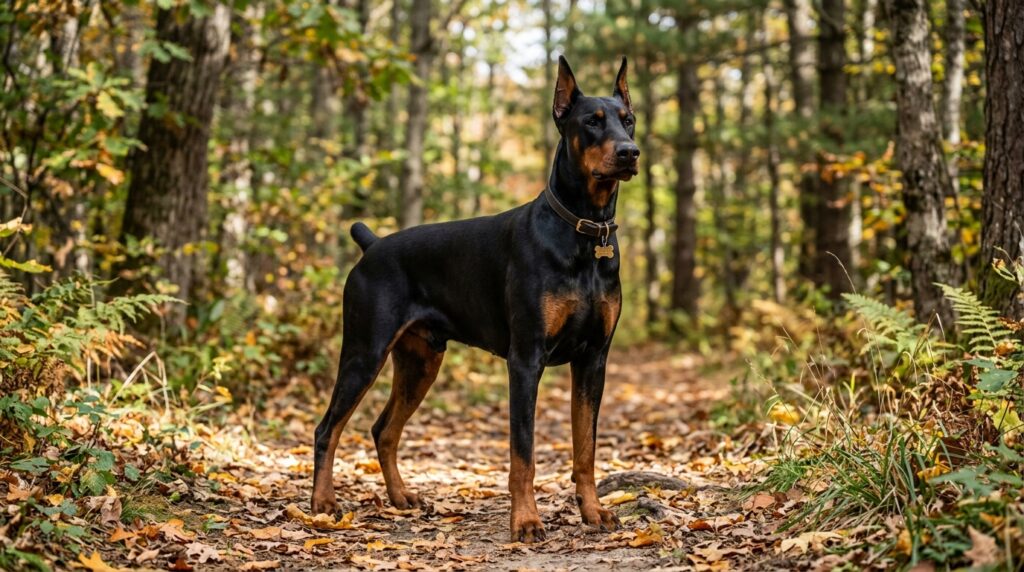
5. Doberman Pinscher
Dobermans were literally bred in the 1890s by a German tax collector who wanted a dog that could protect him on his rounds. That heritage shows.
They’re highly intelligent, alert, and will protect their family without hesitation. The flip side is that an unsocialised Doberman becomes suspicious of everyone and can be difficult to manage in public.
With a dedicated owner who invests in training from puppyhood, Dobermans are loyal, controlled, and even gentle. They need that investment, though. A neglected Doberman is a different animal.

6. Akita
Akitas are reserved, independent, and deeply loyal to their family. In Japan, they’re considered a symbol of loyalty and good health. As a pet in a Western household, that loyalty can tip into possessiveness.
They’re typically dog-aggressive and don’t tolerate rough handling from children well. They’ll also approach threats with quiet confidence rather than barking warnings, which can catch people off guard.
Early socialisation is everything with this breed. Without it, an Akita’s default is suspicion and distance.
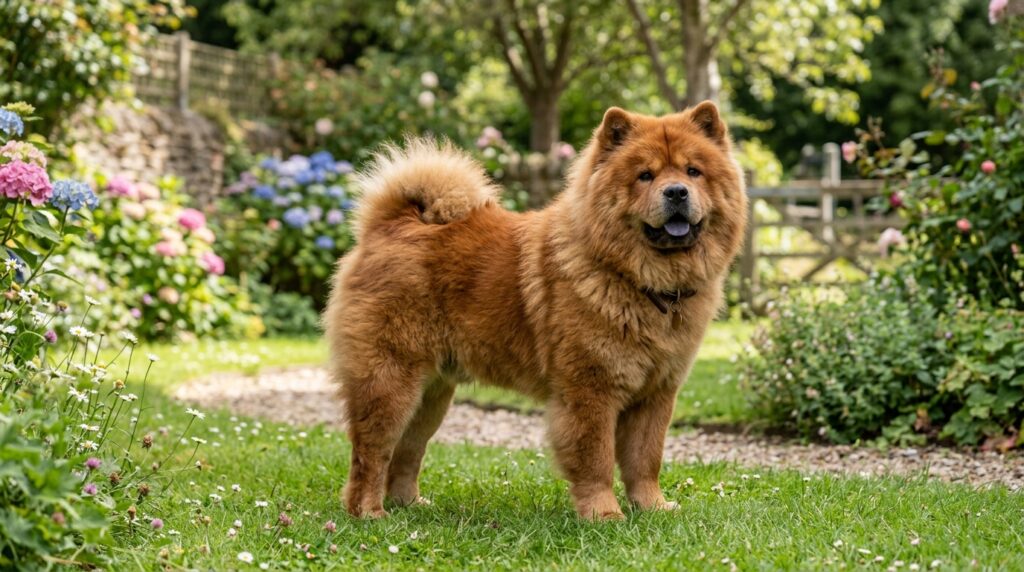
7. Chow Chow
The Chow Chow looks like a teddy bear and behaves like a cat that occasionally pretends to be a dog. They’re not affectionate in the traditional sense and don’t enjoy being fussed over by strangers.
They bond closely with one person and tolerate the rest of the household. Anything outside that circle gets a cold reception. Their territorial nature means they can be aggressive toward other dogs and unfamiliar visitors.
Chow Chows have poor peripheral vision, which can cause them to startle when approached from the side. Children who move quickly and unpredictably are a particular risk.
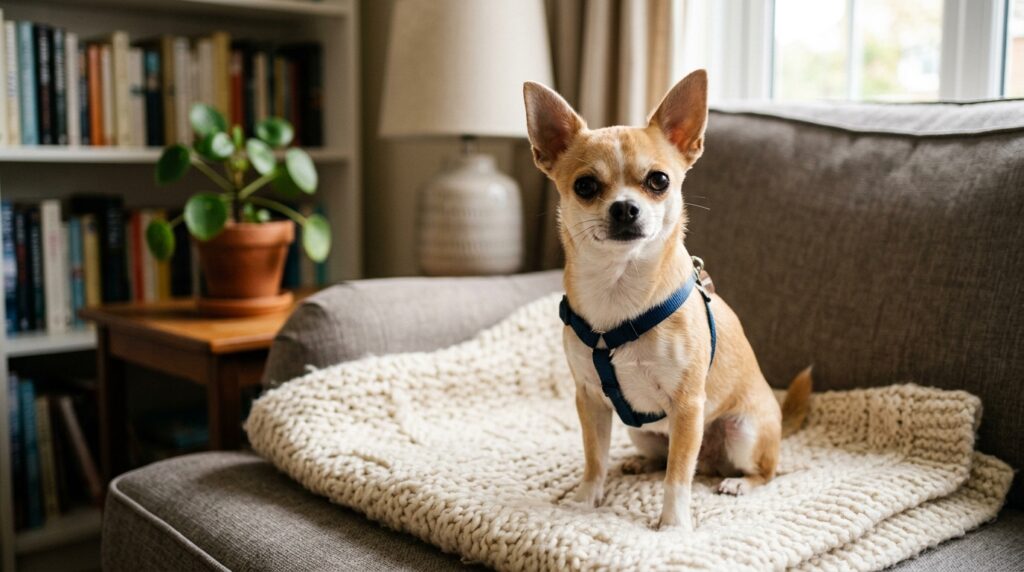
8. Chihuahua
Chihuahuas are statistically one of the most bite-prone breeds, they’re just small enough that their bites rarely send anyone to hospital.
They form fierce attachments to their primary person and treat everyone else with suspicion. They’re intolerant of rough handling and don’t have much patience for children who don’t read their signals.
The danger with Chihuahuas isn’t their bite force. It’s that owners don’t take their aggression seriously because of their size. A dog that bites regularly, regardless of size, is a dog with a behaviour problem that needs addressing.

9. Siberian Husky
Huskies aren’t typically aggressive toward people, but they have a strong prey drive, unpredictable energy, and a stubborn independence that makes them difficult to manage without experience.
They were bred to run. Without 2+ hours of daily exercise, they become destructive and increasingly difficult. They don’t respond well to heavy-handed training and can become reactive when handled roughly.
Their size and energy make them a poor fit for small children or owners who can’t commit to serious daily exercise. If you’re comparing options, check our breakdown of the best family dogs for real households to see how Huskies compare.

10. Perro de Presa Canario (Canary Mastiff)
This is probably the least common breed on this list in UK and US households, and there’s a reason for that.
The Presa Canario was bred in the Canary Islands to drive cattle and protect herds from predators. It’s muscular, dominant, and not particularly interested in deferring to an owner who hasn’t earned its respect.
These dogs need at minimum a 6-foot secure fence, daily structured exercise, and an owner with serious experience managing dominant breeds. They’re not beginner dogs by any measure. Several countries have banned or restricted the breed entirely.
When should you be concerned?
Some level of wariness or reactivity in these breeds is expected. These are the signs that cross into genuinely worrying territory:
- Growling or snapping at family members, especially unprovoked
- Stiffening, staring, or lunging at strangers on routine walks
- Resource guarding food or toys with real aggression (not just mild possessiveness)
- Aggression that’s escalating over weeks rather than staying stable
- A bite that broke skin, even if it was “just once”
- A dog that can’t be safely handled by you or your vet
- Aggression toward children in the household
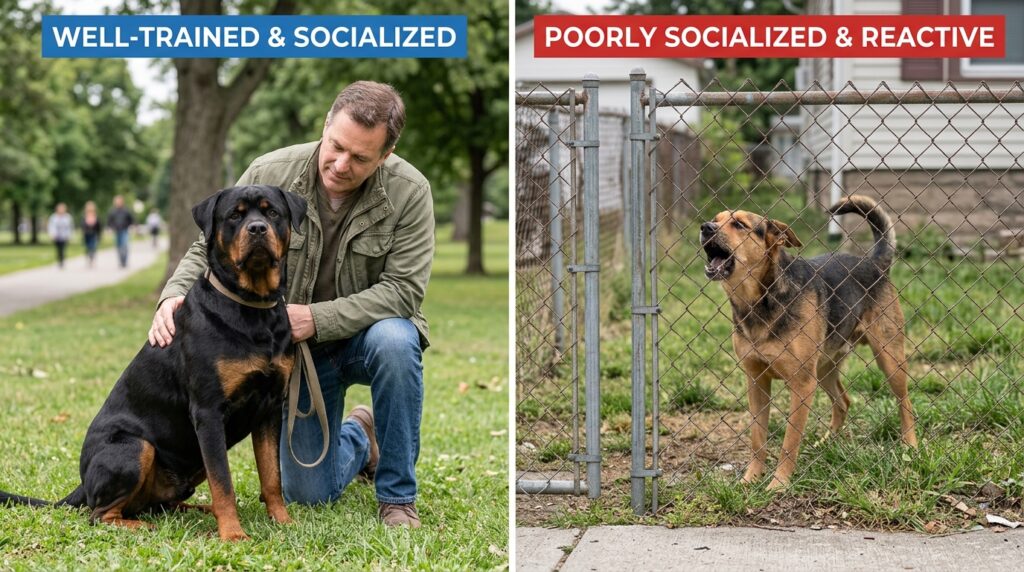
A single incident doesn’t always mean crisis. A pattern, or any bite on a person, means you need professional help quickly.
What you can do at home
If your dog shows mild reactive or pushy behaviour, here’s where to start:
- Rule out pain first. A dog that suddenly becomes snappy may be in discomfort. Book a vet check before assuming it’s purely behavioural.
- Get back to basics. Daily obedience work, even 10 minutes of sit/stay/recall, reinforces that you’re setting the rules.
- Manage the environment. If your dog reacts to strangers at the door, use a crate or baby gate during visits rather than hoping for the best.
- Exercise more. Many reactive dogs are under-stimulated. Double their daily exercise for two weeks and reassess.
- Avoid punishment-based training. Research published in the journal Applied Animal Behaviour Science found that confrontational training methods (alpha rolls, scruff shakes, staring down) reliably increased aggression in dogs. Reward-based methods are safer and more effective.
- Socialise consistently. Controlled, positive exposure to new people, dogs, and environments from puppyhood is the single best prevention for aggression.
What you should avoid
- Ignoring early warning signs. Growling is communication. A dog that’s punished for growling learns to skip the warning and go straight to biting.
- Rough physical correction. Grabbing, hitting, or pinning a dominant-breed dog typically escalates rather than resolves the situation.
- Assuming size means safety. A Chihuahua that bites regularly has a behaviour problem. Treat it like one.
- Free-roaming in unsecured areas. High-prey-drive breeds should never be off-lead in unfenced spaces, regardless of how reliable they seem.
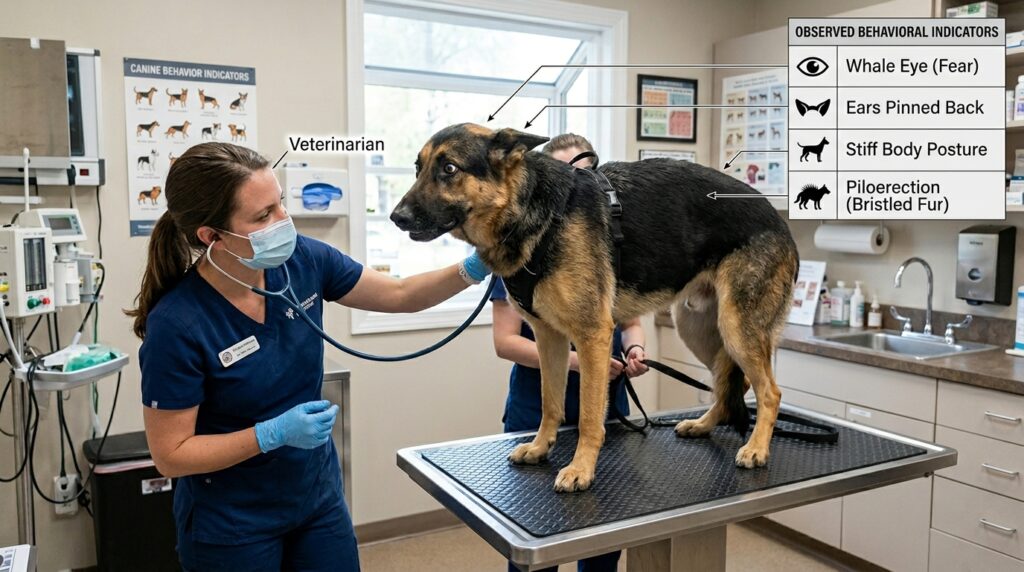
- Skipping the vet check. Aggression with a sudden onset often has a physical cause. Thyroid issues, pain, neurological conditions, and infections can all trigger behaviour changes. Skipping a proper examination means treating the wrong problem.
- Delaying vaccination. An aggressive dog that also isn’t vaccinated is a serious liability. If you’re behind on your dog’s rabies vaccine, get that sorted immediately.
When to visit a veterinarian
Book a vet appointment if:
- The aggression appeared suddenly with no obvious trigger
- Your dog is showing other new symptoms alongside aggression (lethargy, changes in appetite, limping, shaking)
- You suspect pain is a factor
- The aggression is escalating despite consistent training
- A bite has occurred and you need the incident documented
Your vet may refer you to a veterinary behaviourist (a vet with specialist postgraduate training in animal behaviour), particularly for severe or complex cases. This is different from a regular dog trainer. A veterinary behaviourist can prescribe medication where appropriate alongside a behaviour modification plan, which is sometimes necessary for dogs with anxiety-driven aggression.
Real-life scenario
A couple in Leeds adopted a 3-year-old male Cane Corso from a rescue. He’d had two previous homes and came with a note saying he was “unpredictable with strangers.” The first few weeks were fine within the household. Then a friend visited and the dog pinned him against the wall without biting, just blocking and staring.
They called their vet, who ruled out pain and referred them to a certified veterinary behaviourist. The assessment found the dog had never been properly socialised past 8 weeks and was operating on pure guarding instinct with no clear framework for what was a threat.
Over 4 months of structured desensitisation work, controlled visitor introductions, and consistent daily training, the dog settled significantly. He’s not a dog for busy dinner parties, but he’s manageable, safe, and well-loved. The couple describe it as the hardest and most rewarding thing they’ve done as pet owners.
The lesson: a difficult dog isn’t a broken dog. But it does need the right help, early.
Frequently asked questions
What is the most dangerous dog in the world? No breed holds a definitive global title. Rottweilers, Pit Bull-type dogs, and German Shepherds appear most frequently in serious bite statistics in the US and UK. The AVMA is clear that individual temperament, socialisation, and owner behaviour are stronger predictors of dangerous behaviour than breed alone.
Are dangerous dog breeds illegal in the UK? Yes, the Dangerous Dogs Act 1991 bans four types in England and Wales: Pit Bull Terrier, Japanese Tosa, Dogo Argentino, and Fila Brasileiro. Owning, breeding, selling, or giving away these breeds is illegal. Other breeds can be subject to court orders if they’re deemed dangerously out of control.
Can aggressive dog training actually fix the problem? It depends on the severity and cause. Mild to moderate reactivity responds well to professional reward-based training and behaviour modification. Severe aggression, particularly with a bite history, often requires a veterinary behaviourist rather than a standard trainer, and sometimes medication alongside training.
Is it safe to adopt a rescue dog from a breed on this list? Often yes, with the right preparation. Ask the rescue for a full behavioural assessment, find out as much as possible about the dog’s history, and be honest about your experience level. Many dogs from this list make excellent pets in the right household.
How do I stop my dog from being aggressive on walks? Start with a vet check to rule out pain. Then work on threshold management: keep enough distance from triggers that your dog stays calm, reward heavily for calm behaviour near those triggers, and gradually close the distance over weeks. A qualified trainer using positive reinforcement methods can speed this up considerably. Pulling your dog away or shouting tends to make leash reactivity worse.
Conclusion
The most aggressive dog breeds aren’t aggressive because they’re broken or evil. They’re breeds built for specific jobs that require intensity, drive, and protective instinct. In the wrong hands, those traits become problems. In the right hands, they’re just a dog doing what it was made to do.
If you’re considering any breed from this list, be honest about your experience, your lifestyle, and what you can genuinely provide. Early socialisation, consistent training, and regular vet care go further than breed selection every time. And if behaviour problems do appear, get proper help early rather than hoping things improve on their own.